

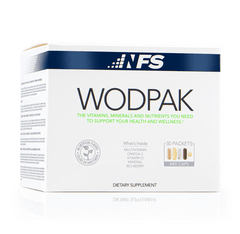
Top Multivitamin for Athletes: Optimize Your Performance and Recovery
Athletes demand much more from their bodies than the average person. Whether you are lifting heavy weights, running marathons, or playing competitive sports, your nutritional needs are significantly higher. A standard daily vitamin might keep a sedentary person healthy, but it often falls short for highly active individuals. This is where a specialized multivitamin for athletes comes into play.
When you push your physical limits, you burn through essential vitamins and minerals at an accelerated rate. You lose crucial electrolytes through sweat. You also create oxidative stress in your muscles that requires targeted nutritional support to repair. Choosing the right multivitamin for athletes can help bridge these nutritional gaps. It ensures your body has the micronutrients required for optimal energy production, muscle recovery, and overall immune health.
Key Takeaways
- A multivitamin for athletes contains higher doses of specific micronutrients like B vitamins, magnesium, and vitamin D to support active bodies.
- Physical activity depletes essential vitamins and minerals faster through sweat and increased metabolic demands.
- Third-party testing is crucial to ensure your supplement is safe, pure, and free of banned substances.
- Taking your multivitamin with a meal containing healthy fats improves the absorption of fat-soluble vitamins.
- Supplements should never replace a well-rounded diet rich in whole foods, lean proteins, and complex carbohydrates.
Why Active Bodies Need Specialized Nutritional Support
The human body is an incredible machine. However, running that machine at peak performance requires premium fuel. Every time you train, your body undergoes a natural process of cellular breakdown and repair. This continuous cycle is exactly how you build strength, speed, and endurance.
During this process, your body consumes a massive amount of micronutrients. These tiny but mighty compounds facilitate everything from muscle contraction to tissue repair. If you are lacking in even one essential nutrient, your physical performance can suffer greatly. You might experience early fatigue, muscle cramps, or a significantly weakened immune system.
A generic over-the-counter daily vitamin is formulated for the baseline needs of the general population. It provides the minimum daily requirements to prevent severe deficiencies. A multivitamin for athletes is engineered specifically for optimization. It provides functional doses of the specific vitamins and minerals that active individuals deplete the fastest.
The Impact of Sweat and Nutrient Loss
When you sweat heavily, you are not just losing water. You are actively excreting valuable minerals like sodium, potassium, calcium, and magnesium. These critical minerals are known as electrolytes. They are vital for maintaining fluid balance and allowing your nervous system to communicate effectively with your muscles.
Endurance athletes and heavy sweaters are particularly vulnerable to this specific type of micronutrient depletion. If you do not replace these lost minerals, you risk severe dehydration and painful muscle cramping. A high-quality multivitamin for athletes will often include elevated levels of these essential trace minerals to help you bounce back faster after a grueling workout.
Managing Exercise-Induced Oxidative Stress
Intense physical activity dramatically increases your body's oxygen consumption. This natural physiological process creates free radicals in the bloodstream. While acute oxidative stress is a completely normal part of exercise adaptation, chronic oxidative stress can damage healthy cells and delay your overall recovery.
To combat this cellular damage, athletes need a robust supply of antioxidants. Vitamins C and E play a major role in neutralizing these free radicals. By incorporating a multivitamin rich in antioxidants, athletes can better manage joint inflammation and protect their muscle tissue from excessive breakdown.
Critical Vitamins and Minerals for Athletic Performance
Not all vitamins are created equal when it comes to advanced sports nutrition. Certain micronutrients play a starring role in how your body actually performs on the field and recovers in bed. Here are the absolute most important components to look for in a multivitamin for athletes.
B-Complex Vitamins for Energy Metabolism
The B-vitamin family serves as the primary engine of your cellular energy production. Vitamins like B12, B6, riboflavin, and niacin actively help convert the carbohydrates and fats you eat into usable cellular energy known as ATP. Without adequate B vitamins, your body simply cannot efficiently fuel your intense workouts.
Athletes have a noticeably higher turnover rate of B vitamins compared to sedentary individuals. A slight deficiency can lead to profound fatigue, poor mental concentration, and a noticeable drop in physical stamina. Ensuring your multivitamin for athletes has a highly robust B-complex profile is absolutely non-negotiable for sustained energy.
Vitamin D and Calcium for Bone Strength
High-impact sports place a tremendous amount of stress on your skeletal system. Over time, this repetitive stress can lead to micro-fractures if your bones are not adequately supported. Calcium is the foundational building block of bone tissue, but it cannot do its job without the presence of vitamin D.
Vitamin D is a unique fat-soluble vitamin that acts much more like a hormone in the body. It dictates exactly how your intestines absorb calcium from your daily diet. Many athletes, especially those who train primarily indoors or live in northern climates, are severely deficient in vitamin D. A premium multivitamin for athletes should include at least 1,000 to 2,000 IU of Vitamin D3.
Magnesium for Muscle Function and Recovery
Magnesium is intricately involved in over 300 biochemical reactions in the human body. For athletes, its most critical roles involve muscle contraction and deep relaxation. If you frequently suffer from post-workout muscle spasms or restless legs at night, you might be uncomfortably low on circulating magnesium.
Furthermore, magnesium is strictly essential for achieving deep, restorative sleep. Sleep is arguably the ultimate performance enhancer available to any athlete. By supporting better sleep architecture, magnesium indirectly boosts your muscle recovery speed and next-day physical performance. [Link to relevant internal page]
Iron for Optimal Oxygen Transport
Iron serves as the central component of hemoglobin. Hemoglobin is the specialized protein inside your red blood cells responsible for carrying oxygen from your lungs directly to your working muscles. If your iron levels dip too low, your muscles simply will not receive the oxygen they require to perform sustained aerobic exercise.
Female athletes and long-distance endurance runners are at a particularly high risk for chronic iron deficiency. This condition, often referred to as sports anemia, can drastically reduce your VO2 max and overall endurance capacity. If you fall into these specific categories, look closely for a multivitamin for athletes that contains a highly bioavailable form of iron.
Zinc for Immune System Support
Heavy training phases can temporarily suppress your immune system defenses. This physiological dip leaves hard-training athletes vulnerable to upper respiratory tract infections and common colds. Getting sick forces you to miss crucial training days, which quickly derails your long-term athletic progress.
Zinc is a powerful trace mineral that actively bolsters immune function and promotes rapid wound healing. It also plays a foundational role in synthesizing muscle proteins and hormones like testosterone. A high-quality daily vitamin should provide adequate zinc to keep your immune defenses incredibly strong during rigorous training cycles.
The Role of Gut Health in Vitamin Absorption
You are not just what you eat. You are exactly what you can absorb. Your gastrointestinal tract is entirely responsible for breaking down the multivitamin and shuttling those nutrients into your bloodstream. If your gut health is significantly compromised, even the most expensive multivitamin for athletes will pass right through your system.
Intense exercise can sometimes cause acute gastrointestinal distress. During a hard workout, blood flow is diverted away from the stomach and directed toward the working muscles. Over time, this recurring process can lead to mild inflammation in the delicate gut lining. To maximize the true absorption of your multivitamin, you must actively prioritize your microbiome.
Consider eating whole foods rich in natural probiotics, like plain yogurt, kefir, and fermented vegetables. Additionally, consuming plenty of prebiotic fiber helps adequately feed the good bacteria already present in your stomach. A highly healthy gut environment ensures that every single milligram of your chosen supplement is efficiently utilized for performance and recovery.
How Age Impacts Micronutrient Needs for Athletes
As active athletes age, their underlying physiological demands continuously evolve. A competitive master athlete in their forties or fifties faces vastly different challenges than an eighteen-year-old collegiate athlete. Cellular turnover naturally slows down, and the aging body becomes noticeably less efficient at absorbing certain key nutrients from everyday food.
For older athletes, joint health and total body inflammation management become absolute top priorities. Multivitamins formulated specifically for master athletes often include much higher doses of vitamin C to actively support collagen synthesis in the joints. They may also include targeted holistic compounds to lubricate connective tissues and significantly reduce morning stiffness.
Additionally, the human stomach produces slightly less digestive acid as we age. This gradual decline makes it significantly harder to extract critical B12 and iron from complex dietary sources. A high-quality multivitamin for athletes provides these exact nutrients in highly bioavailable, easily digested forms. This smart supplementation ensures that aging athletes effortlessly maintain their youthful energy levels.
How to Choose the Best Multivitamin for Athletes
Walking into a dedicated supplement store can be incredibly overwhelming. There are literally hundreds of colorful bottles all boldly claiming to boost your athletic performance. However, not all supplements actually deliver on their lofty promises. Here is a highly practical framework for successfully selecting the right multivitamin for athletes.
Demand Third-Party Testing and Certification
The sports supplement industry is not strictly regulated by the FDA in the exact same way pharmaceutical drugs are monitored. This alarming reality means that what is printed on the label is not always what is actually inside the bottle. For competitive, drug-tested athletes, this is a massive career risk. Taking a heavily contaminated supplement can tragically result in a failed doping test.
Always rigorously look for products that have been completely independently verified by reputable outside organizations. Certifications from NSF Certified for Sport or Informed-Choice guarantee that the product contains exactly what it claims on the nutritional panel. These trusted labels also confidently confirm the multivitamin is completely free of any banned performance-enhancing substances. [Link to authoritative external source]
Prioritize Bioavailability and Absorption
Bioavailability simply refers to the total proportion of an ingested nutrient that actually enters your blood circulation and has an active physiological effect. Cheaper generic multivitamins routinely use synthetic, exceptionally poorly absorbed forms of vitamins and trace minerals. For example, magnesium oxide is very cheap to produce but has a terrible cellular absorption rate and frequently causes severe digestive upset.
Instead, smart athletes look for chelated minerals. Chelated mineral forms, such as magnesium glycinate or zinc picolinate, are cleverly bound to amino acids. This unique structure makes them significantly easier for your human digestive tract to recognize and absorb. For complex B vitamins, specifically look for active methylated forms like methylcobalamin instead of the cheaper cyanocobalamin to ensure maximum cellular uptake.
Tailor Your Choice to Your Specific Needs
There is absolutely no one-size-fits-all solution in the world of sports nutrition. A 250-pound male powerlifter has drastically different micronutrient requirements than a 120-pound female marathon runner. Biological gender, physical age, and specific sport type should all heavily influence your daily supplement choices.
Men typically require much less supplemental iron, as excess iron can dangerously accumulate in tissues and cause serious long-term health issues. Women, particularly those actively in their reproductive years, generally need significantly more daily iron and folic acid to perform safely. Some premium brands offer highly sport-specific formulas, which can be immensely beneficial if you participate in extreme endurance events.
Best Practices for Taking Your Multivitamin
Buying a premium multivitamin for athletes is only half the battle. How and when you actually take the pill can drastically impact its true effectiveness. Implementing proper timing and smart dietary pairings flawlessly maximizes total absorption and easily prevents annoying gastrointestinal discomfort.
Always Take Your Multivitamin with Food
Swallowing a highly potent multivitamin on a completely empty stomach is a very common athletic mistake. The incredibly high concentration of raw minerals, particularly zinc and iron, can cause sudden and severe nausea. Taking your daily supplement with a solid meal creates a physical buffer that carefully protects your sensitive stomach lining.
More importantly, robust multivitamins contain essential fat-soluble vitamins like A, D, E, and K. These specific vitamins literally cannot be fully absorbed by your body unless they are physically consumed alongside dietary fat. Consistently pairing your vitamin with a healthy meal containing ripe avocados, raw nuts, olive oil, or whole eggs ensures you extract the full nutritional value.
Timing Strategies for Optimal Results
The absolute best time to take your multivitamin for athletes is usually early in the morning or mid-afternoon. Complex B vitamins are globally known for their impressive energy-boosting properties. Taking them too close to your scheduled bedtime can severely overstimulate your central nervous system and directly interfere with your vital sleep cycle.
If you regularly train early in the morning, strongly consider taking your multivitamin with your immediate post-workout recovery meal. Your depleted body is highly receptive to rapid nutrient uptake immediately following a highly strenuous session. This smart timing helps efficiently restock depleted mineral stores precisely when your tired muscles need them the absolute most.
Avoiding Common Supplementation Pitfalls
Even the most incredibly dedicated athletes can accidentally fall into clever marketing traps when navigating the vast supplement world. Knowing exactly what to avoid is truthfully just as important as knowing what to actively take. Here are a few critically common pitfalls to keep firmly in mind.
The Danger of the "More is Better" Mindset
When it comes to advanced micronutrients, consuming more is certainly not always better. While simple water-soluble vitamins are generally considered safe because your body naturally excretes the excess through urine, fat-soluble vitamins operate entirely differently. Vitamins A, D, E, and K are physically stored long-term in your human liver and body fat tissues.
Regularly taking dangerous mega-doses of fat-soluble vitamins over an extended period can easily lead to severe chemical toxicity. This can unknowingly cause a wide range of highly negative side effects, from aching joint pain to permanent liver damage. Always stick strictly to the recommended daily dosages printed clearly on the label and properly consult a registered sports nutritionist if you truly feel you require higher specialized amounts.
Never Use Supplements to Fix a Bad Diet
A multivitamin is exactly what the very name directly implies. It is merely a supplement, not a magic substitute. No laboratory-made pill can perfectly replicate the incredibly complex matrix of natural phytonutrients, dietary fiber, and active enzymes found organically in whole foods. A terrible diet heavily consisting of highly processed junk food absolutely cannot be miraculously offset by swallowing a daily vitamin.
Your primary athletic focus should constantly remain fixed on consuming a highly diverse, incredibly nutrient-dense diet. Eat plenty of dark leafy greens, brightly colorful vegetables, quality lean proteins, and slow-digesting complex carbohydrates. Once your foundational daily diet is rock solid, a premium multivitamin for athletes effectively serves as an excellent nutritional insurance policy to reliably catch any minor, unseen dietary gaps.
Conclusion
Optimizing your overall physical performance always requires a highly multifaceted, disciplined approach. Consistent training, adequate hydration, deep restorative sleep, and precise macronutrient intake naturally form the primary pillars of any athletic success. However, the tiny micro-details are very often what quietly separates the simply good athletes from the truly great ones. Ensuring your unique body has the exact biological vitamins and trace minerals it fiercely needs to perform at a microscopic cellular level is a proven game-changer.
Investing strategically in a remarkably high-quality multivitamin for athletes is easily one of the simplest and absolutely most effective ways to vigorously support your highly active lifestyle.
By carefully choosing a verified product with highly bioavailable ingredients, strictly securing trustworthy third-party testing, and taking it very consistently with whole-food meals, you perfectly set your strong body up for accelerated muscle recovery and vastly sustained daily energy. Treat your vital micronutrition with the exact same high level of profound respect as your structured training program, and your incredible body will consistently reward you with ultimate peak performance.
Frequently Asked Questions
Do athletes need a multivitamin?
A multivitamin can help fill nutritional gaps and support overall health, especially during intense training.
Can a multivitamin improve performance?
It supports energy production, recovery, and immune health but works best alongside proper training and nutrition.
What vitamins are most important for athletes?
B Vitamins, Vitamin D, Vitamin C, Magnesium, Zinc, and Iron are among the most beneficial.
When should I take a multivitamin?
Take it once daily with a meal for better absorption.
Can it help with recovery?
Yes. Essential vitamins and minerals support muscle repair, immune function, and overall recovery.
Is it safe to take every day?
Yes, when taken as directed on the label.
Can I get enough vitamins from food alone?
A balanced diet is ideal, but a multivitamin helps cover nutritional gaps.
Can I take it with other supplements?
Yes. It can be combined with protein, creatine, electrolytes, and other sports supplements.
Who benefits most from a multivitamin?
Athletes with demanding training schedules, restrictive diets, or increased nutritional needs.
How long does it take to see results?
Benefits vary, but consistent daily use supports long-term health and performance.


